

Intake Analytics for Law Firms: Know Exactly Which Marketing Signs Your Cases
Your firm spends on Google Ads, Meta, LSAs, SEO, and referrals, but nobody can tell you which channel actually signed the last case. We build intake analytics and attribution for law firms that track every lead from first click to signed retainer, so your budget follows evidence, not guesses.


You cannot fix a budget you cannot see
Every ad platform claims credit for the same client. Google says its ad closed them, Meta says its retargeting did, and your intake team swears it was a referral. Without attribution, you scale the wrong channels and starve the ones that actually work.
We connect your ads, your call tracking, your forms, and your CRM into one system. Every lead is tied to its true source, and every report shows cost per signed case by channel. For one family law firm, we built this across 6+ channels in 4 to 6 weeks.
What Your Firm Gets
Built for firms with real marketing budgets and multiple channels, where a wrong budget decision costs five figures a month.

Every Lead Tied to Its Source
Calls, forms, and chat conversations tracked back to the exact keyword, ad, or referral that produced them. No more platforms grading their own homework.

Cost Per Signed Case, Not Cost Per Lead
Leads are not cases. We measure what each channel costs per signed retainer and the lifetime value that follows, so you scale what actually pays.

One Report Your Whole Team Trusts
Attorneys, intake staff, and your marketing partners read the same numbers. Budget meetings stop being arguments about whose dashboard is right.

Built on Your Systems, Owned by You
We connect your CRM, your ad accounts, and your call tracking into infrastructure you own. For a family law firm, that meant MyCase, BigQuery, and Lawmatics working as one.
Intake Analytics for Your Practice Area
High-spend practice areas feel bad attribution first. We build measurement around your case economics.

Family Law Intake Analytics
Divorce and custody clients compare firms over weeks. Attribution shows which channels start the relationship and which ones close it.

Personal Injury Intake Analytics
The biggest ad budgets in legal have the most to lose from bad attribution. We track every dollar to signed cases.

Criminal Defense Intake Analytics
Calls come at all hours, and calls are where tracking usually dies. Call tracking ties every one back to its source.

Bankruptcy Intake Analytics
Bankruptcy margins demand efficiency. We show which channels produce filers, not just inquiries.

Immigration Intake Analytics
Multilingual, multi-channel journeys need one measurement system. We track every source, in every language.

Estate Planning Intake Analytics
Estate planning clients research for months before they call. Multi-touch tracking shows which content and channels actually started the relationship.

Family Law Firm: Full-Funnel Attribution Across 6+ Ad Channels


They took the time to understand our goals, listened to feedback, and made thoughtful recommendations that have significantly improved the overall design and user experience.
”How We Build Your Attribution System
A proven approach that delivers results
Attribution Audit
We map every channel you spend on, every way a lead can reach you, and every place the trail currently goes cold. You see exactly what you cannot see today.
Tracking Foundation
Call tracking through CallRail, form and chatbot tracking, and click ID capture (GCLID, FBCLID, and others), saved in the visitor's browser so every lead carries its source with it, whichever way they reach out.
CRM and Intake Connection
We connect your CRM and intake flow, so a lead's journey continues past the form fill all the way to the signed retainer.
Attribution Modeling
We build the reporting layer that assigns credit honestly across channels: first touch, last touch, and everything between.
Measure, Reallocate, Grow
Monthly reports show cost per signed case by channel. You cut what does not pay and scale what does, with numbers your whole team trusts.

Find Out Which Channels Actually Sign Your Cases
Tell us what you spend on and where leads reach you. We will audit your current tracking for free: what is measured, what is missing, and what a full attribution system would show you. You keep the audit either way.

The Law Firm Attribution Guide: Beyond the Basics
Attribution sounds technical, but the idea is simple: know what each dollar of marketing actually produces. This guide explains where tracking breaks, why platforms disagree, and how honest measurement works. Open the topics you want to go deeper on.
Why do Google and Meta both claim credit for the same client?
Because each platform grades its own homework. Google counts the conversion if its ad was the last click. Meta counts it if its ad was anywhere in the journey. Add them up and your 'results' exceed reality, sometimes by double. Independent tracking sits above the platforms and counts each client once, assigned to the journey that actually happened.
Why is cost per lead a dangerous metric for law firms?
Because leads are not cases. A channel producing cheap leads that never sign is more expensive than a channel producing pricey leads that become six-figure cases. Cost per lead tells you what the click cost. Cost per signed case tells you what the client cost. Only one of those should drive your budget.
Call tracking and click IDs: the missing half of legal attribution
Most legal clients pick up the phone, and a call carries no UTM parameters. We capture the click IDs that ad platforms provide (Google's GCLID, Meta's FBCLID, and others) and store them in the visitor's browser. When that visitor later calls through CallRail, submits a form, uses your custom intake form, or talks to your chatbot, the stored source data travels with the lead into your CRM. The trail survives the phone call. Our whitepapers on recovering lost Google click data (GCLID) and mapping every Google and Meta lead explain the mechanics.
First touch, last touch, and why neither tells the truth
Legal clients rarely see one ad and call. They see a search ad, read a review, click a retargeting ad, then call weeks later. Last-touch gives all the credit to the final ad and starves the channels that started the relationship. First-touch does the opposite. Honest attribution shares credit across the journey, so you fund the whole pipeline, not just its loudest part.
What does a real attribution stack look like for a law firm?
Four layers working together: call and form tracking with click ID capture, your CRM recording what happened to each lead, an attribution layer that ties source to signed case, and one report everyone trusts. It runs on systems you already use. If you are still evaluating platforms, our MyCase pricing and tier comparison covers what growing firms should know.
How does better attribution cut cost per signed case?
Once you see true sources, the budget moves by itself: away from channels that produce expensive non-clients, toward the ones producing signed cases. One family law firm went from judging campaigns on upfront retainers to seeing true cost per client and lifetime value per channel, and could finally scale winners and cut losers with confidence. Read the full case study.
Featured case studies
Real firms, real numbers. See what honest measurement delivered.

A Case Study For Bick Law LLP
We built a high speed law firm website demo with built-in lead qualification and Clio-integrated client portal, improving efficiency and reducing paralegal costs.

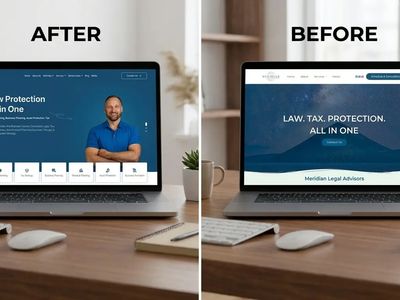
Meridian Legal Advisors
We gave their website a complete overhaul which improved credibility, clarified services, and streamlined the conversation of clients with a structured and user-friendly layout.


StoneBridge Law Firm
A conversion-focused personal injury law firm website designed to build trust, simplify urgent user journeys, and guide visitors toward legal consultation through modern UX, strong visual hierarchy, and credibility-driven design.

Zahid Law – Family Law Firm Toronto
We transitioned the website from "bloated" to a high-performance engine, increasing search visibility, optimizing engagement, streamlining consultation, and enhancing conversation rate.
Frequently asked questions about intake analytics for law firms
Still have questions? Contact: ask@timetechnologiesllc.com
How much does intake analytics and attribution cost?
It is scoped by your channels and systems: how many ad platforms, which CRM, and how complex your intake flow is. Most firms find the system pays for itself by revealing spend that was producing nothing. You get a fixed quote after the free attribution audit.
How long does setup take?
For one family law firm, full deployment across 6+ channels took 4 to 6 weeks, running parallel tracks for tracking, CRM integration, and reporting. Simpler stacks move faster. The audit gives you a firm timeline for your setup.
Do you replace our Google Analytics or ad accounts?
No. We connect what you already have. Your ad accounts, your analytics, your CRM, all stay in your ownership. We build the layer that makes them agree with each other.
Which CRMs and platforms do you support?
We build on the systems law firms actually run: MyCase, Clio, and Lawmatics, plus the major call tracking and ad platforms. For a family law firm, that meant MyCase revenue data flowing into a custom BigQuery dashboard. We have also built custom intake forms integrated with Clio for Meridian Legal Advisors. The audit confirms exactly how your stack connects.
Can you track phone calls back to specific ads and keywords?
Yes. We capture click IDs from Google (GCLID), Meta (FBCLID), and other platforms in the visitor's browser, and transport them with the lead: through CallRail on phone calls, and alongside every form, custom intake form, or chatbot conversation. The call, the form, and the chat all carry their source into your CRM.
What does this tell me that Google Analytics cannot?
Google Analytics tracks visits and conversions, but it cannot see what happens after the form fill: whether the lead qualified, whether your team followed up, and whether they signed. We close that loop to the signed retainer, so you measure cases, not just clicks.
What if we already have a marketing agency running our ads?
Attribution makes their work measurable, and good agencies welcome it. We stay out of campaign management and focus on the measurement layer, so you can judge every partner, including us, on the same honest numbers.
What is in the monthly report?
One plain-language page: leads and signed cases by channel, cost per signed case, lead quality trends, and what we recommend moving next month. No 40-page dashboards nobody opens.
Is this worth it for a firm with a smaller marketing budget?
Honest answer: the more channels and budget you juggle, the more attribution pays. If you spend a modest amount on one channel, you need the tracking foundation first and the full system later. The audit tells you which stage you are at, even if the answer is 'not yet'.
How do I know which channels or tools give my firm the best ROI?
That is exactly what attribution answers, per channel and per tool: what each one costs per signed case, including your AI chatbot. Once every lead carries its source to the signed retainer, ROI stops being a debate and becomes a number you can read.
Do I still own all the data?
Yes. Your ad accounts, your CRM, your tracking infrastructure, and every record in them are yours from day one. If we ever part ways, the system and its history stay with you.
What happens after the free attribution audit?
A 30-minute call walking through the findings: what your current tracking captures, where the trail goes cold, and what a full attribution system would show you, with scope and pricing if you want the work done. You keep the audit either way, with no obligation.

AI Overviews Impact on Law Firms Traffic

MyCase Pricing & Tier Comparison: Pro vs. Advanced for Growing Law Firms

The 15-Point Family Law Marketing ROI Checklist